
In the gospels one may find several references or allusions to events of the wilderness wandering. This indicates the significance of the event and suggests that it should be studied carefully by Christians as well as Jews.
- “The Word became flesh and dwelt [tented, tabernacled] among us…” (Jn. 1:14). The Lord made
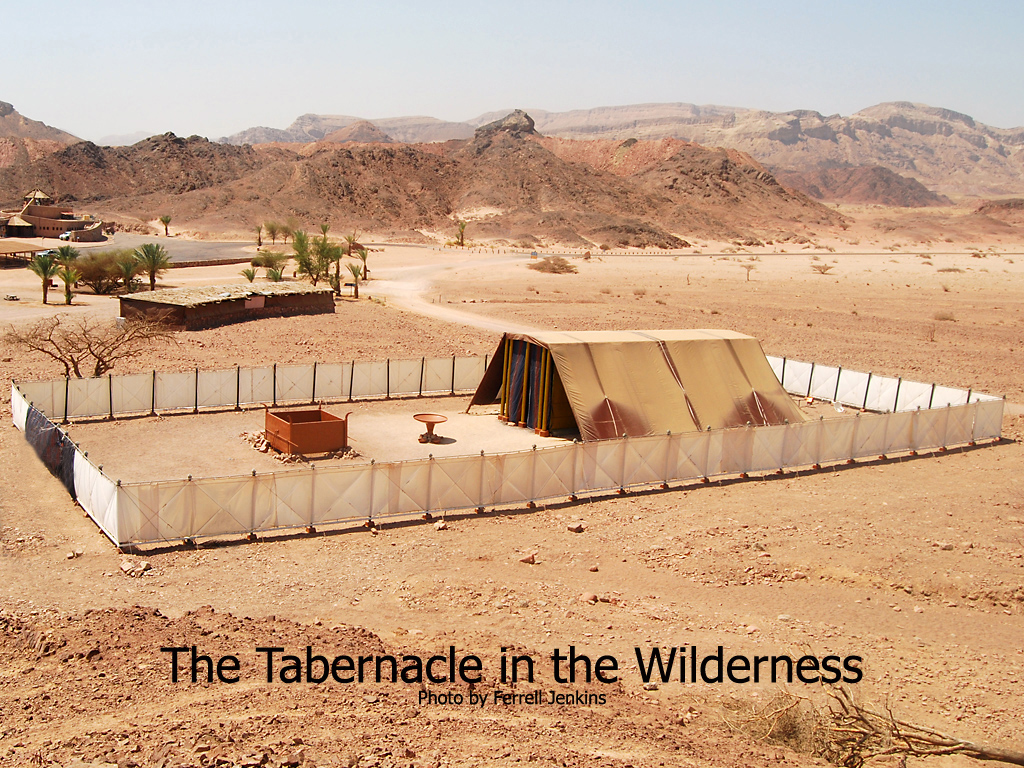
His presence known to the Israelites in the “tent of meeting” (the tabernacle; Ex. 29:45-46). - The Law was given through Moses [in the wilderness] (Jn. 1:17).
- The serpent in the wilderness (Jn. 3:14ff.; cf. 8:28; 12:32).
- The manna (Jn. 6:31ff.; notice the “grumbling” over the bread, vs. 41).
- The water (Jn. 7:37-38).
- Jesus was tempted in the wilderness by the devil. (Mt. 4:1-11).
- Jesus fasted for 40 days and 40 nights (cf. Israel’s 40 years).
- Jesus was tempted but did not succumb.
- In response to the temptations of the devil Jesus quoted from the book of Deuteronomy (Mt. 4:4;
- Dt. 8:3; Mt. 4:7; Dt. 6:16; Mt. 4:10; Dt. 6:13).
- Stephen made several references to the events of the wilderness in his sermon (Acts
- 7:30-44).
- Paul calls attention to the exodus and events of the wilderness wandering (Acts 13:18; Gal.
4:21-31).
Notice his use of the phrase, “Remove the wicked man from among yourselves” (1 Cor. 5:13; cf.
Dt. 13:5, the false prophet; 17:7, the one who served other gods; 17:12, one who acts presumptuously; 21:21, the rebellious son; 22:21, a girl not found a virgin). - Israel was baptized, ate spiritual food and drank spiritual drink, but practiced idolatry and immorality and fell (1 Cor. 10:1-13). Compare the situation at Corinth: Christians who had been baptized, ate and drank the Lord’s supper, were tempted by the idolatry (meat sacrificed to idols) and immorality of their city.
The Writer of Hebrews speaks of events of the wilderness wandering. - The events at Mount Sinai (Heb. 12:18-29). The word spoken through angels (2:2; cf. Gal. 3:19).
- The unfaithfulness of Israel in the wilderness (Heb. 3–4).
In the book of Revelation. - “See…that you make all things according to the pattern which was shown you on the mountain”
(Heb. 8:5; Ex. 25:40, the building of the tabernacle). - The woman who gave birth to the man child fled into the wilderness where she was nourished (Rev.
12:6). This symbol makes the wilderness a place of protection and nourishing. The figure seems to
be based on the experience of the nation of Israel and of Elijah (1 Kings 19:1-18) as they were cared
for by the Lord. - Some of the trumpets of chapters 8-10 are drawn from the plagues of Egypt. The one like a son of
man came on a white cloud (cf. Isa. 19:1, judgment of Egypt) and judged the enemy (Rev.
14:14-20). The saints sing the song of Moses and the Lamb beside the sea (Rev. 15; cf. Ex. 14:31;
15:1-19).
 Ferrell's Travel Blog
Enjoyed this artic
Pingback: Where Sweet Waters Meet | Ferrell's Travel Blog